









Generic selectors
Exact matches only
Search in title
Search in content
Post Type Selectors

Summary

Medical Administrative Assistants play a crucial role in healthcare offices, managing various tasks like patient coordination and administrative workflows. They need skills like organization,
ℹ️ This summary was generated by AI and may contain inaccuracies or omissions. Please refer to the full article for complete information.

The Modern World of Medical Assisting: From Clinics to Virtual Work
Contact Us

    View full terms

    This enables CCI Training Center to contact you regarding our services via SMS message to the phone number you provided above. Message and data rates may apply. Text "HELP" for support and "STOP" to cancel.

    * By clicking the button below as my official signature, I consent to representatives of CCI Training Center contacting me about educational opportunities via phone, text message, and email. I understand that my consent is not a requirement
    for any purchase.

    For more information about our graduation rates, the median debt of students who completed the program, and other important information, please refer to the Gainful Employment Disclaimers.

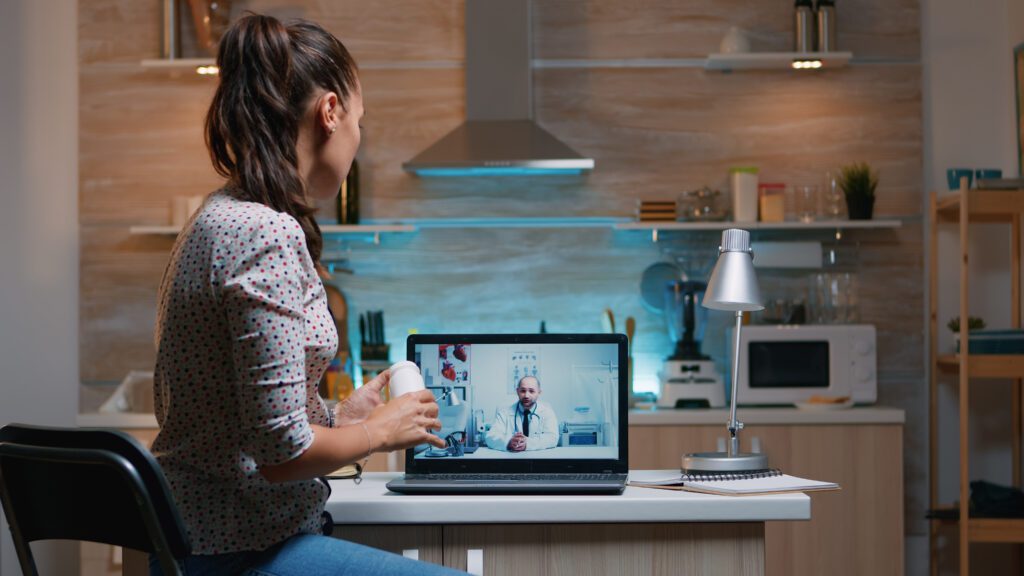
    Traditionally, the role of a medical assistant (MA) was reserved for clinics and physician offices; however, now this niche is slowly changing, as a growing number of individuals are opting to become virtual medical assistants (VMA). In fact, healthcare is among the top niches where virtual assistants are in demand.

    But is working remotely as a medical assistant the same as working in person? And is this a good path for you?

    This guide explores the evolution of medical assisting, the transition from clinical to remote work, and the specialized skills required to thrive in this modern career path.

    Key Takeaways

    • Virtual medical assistants (VMAs) handle administrative tasks remotely, like scheduling and insurance verification, while supporting clinical needs via secure digital tools.
    • Certifications like CMA or CEHRS enhance employability in virtual roles, with on-the-job telehealth training common during the COVID-19 shift.
    • VMAs offer cost savings and flexibility but require strong tech skills; traditional roles retain hands-on patient care.
    • Medical assisting is recognized as one of the jobs safe from AI automation due to the need for human empathy and complex coordination.

    Understanding the Traditional Medical Assistant Roles

    Medical assistants in clinics perform both administrative and clinical duties. Administrative tasks include scheduling appointments, managing patient records, and handling billing. Clinically, they take vital signs, prepare patients for exams, and assist with minor procedures.

    It should be noted that while you may have to perform both administrative and clinical duties, these are two different roles.

    Virtual Medical Assistant Evolution Explained

    While it may seem like there is a sudden rise of interest in the remote medical assistant role, it isn’t the case.

    The COVID-19 pandemic accelerated telehealth, enabling medical assistants to work remotely. If you look at the search interest for virtual medical assistant on Google Trends, it shows that right after the national lockdown, there is a constant surge in remote medical assistant roles.

    Why the Shift is Happening:

    • A huge part of it is due to pandemic policies, which allowed tasks like virtual rooming and patient tech support.
    • Another reason behind the surge is that this role is among the few jobs that are safe from AI automation.
    • Providers need staff to troubleshoot tech issues for patients before the doctor “enters” the virtual room.
    • Clinics can scale their operations without needing more physical square footage by employing remote staff.


    Traditional vs. Virtual Medical Assisting

    Yes, the way both operate is different; however, the core mission of a medical assistant remains the same: to support physicians and ensure high-quality patient care.

    FeatureTraditional (In-Clinic) MAVirtual Medical Assistant (VMA)
    Patient InteractionFace-to-face; rooming patients.Video conferencing; phone; secure messaging.
    Clinical TasksDrawing blood, vitals, EKG, injections.Triage via symptoms, collecting remote monitoring data.
    AdministrativePhysical filing, front desk management.EHR management, digital insurance verification.
    EnvironmentClinical setting, fast-paced physical movement.Remote/Home office, tech-heavy environment.
    CoordinationDirect hand-offs to the physician.Managing digital patient queues and telehealth links.

    Essential Tech Stack for the Modern Medical Assistant

    Whether working in a clinic or remotely, proficiency in these tools is non-negotiable in the modern era:

    CategoryTools/SoftwarePurpose
    EHR/EMREpic, Cerner, AthenahealthPatient records and charting.
    TelehealthZoom for Healthcare, Doxy.me, Microsoft TeamsConducting virtual visits.
    CommunicationSlack, Spruce Health, RingCentralHIPAA-compliant internal and external messaging.
    SchedulingZocdoc, Calendly, Google WorkspaceAppointment and calendar management.

    How to Transition to Virtual Medical Assisting

    If you are interested in moving from a traditional clinic to a remote setting, or starting fresh in the virtual space, follow these steps:

    1. Get the Right Training

    Even if you are familiar with an administrative role in-person, it is still a good idea to enroll in an online medical assistant program that provides the flexibility to learn the clinical foundations while simultaneously mastering the digital tools you will use daily in a remote role.

    1. Master HIPAA in a Remote Context

    Working at a clinic is different than working remotely. You must demonstrate that you can maintain a secure, private workspace at home to protect patient information according to federal law.

    1. Ace the Virtual Interview

    Landing a remote role requires a different approach than an in-person one. You need to prove you are familiar with tech from the very first interaction. Review these 14 proven tips for virtual interviews to ensure your lighting, audio, and professional presence are top-tier.

    Final Thoughts

    Will the role of a medical assistant strictly turn virtual? This is unlikely. However, given the trends in the healthcare industry, a large portion of medical assistants will start working remotely.

    If you are interested in a remote role, then this might be the right time to transition.

    Frequently Asked Questions

    What certifications suit virtual medical assistants?

    Key ones include CMA (AAMA), CMAA, CEHRS for EHR, and CTP for telehealth—building trust in remote care.

    MAs shifted to virtual prep, scribing, and follow-ups; pandemic rules enabled this, with on-the-job training filling gaps.

    Yes for admin and follow-ups, offering cost-efficiency and 24/7 access, though physical tasks stay on-site.

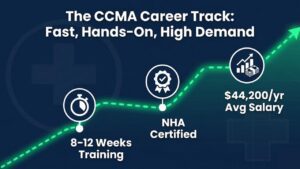
    Median $44,200 annually; virtual roles may vary by experience and location. Learn more about how much medical assistants make.

    Related Articles

    CCI Training Center Proudly Completes

    41 Years in Career Training Services