











Summary


As much as 60% of the U.S. healthcare workforce may be classified as allied health.
Allied health care providers work in collaboration with physicians, nurses, dentists, and pharmacists in a support role to evaluate patient needs and to keep patients, doctors, and other key personnel informed about patient progress.
If you are interested in a career in health care without the time and expense of medical or nursing school, an allied health certification is a fantastic way to get started in health care in a variety of fields and positions.
What is an Allied Health Certification?
The National Healthcareer Association is one of the largest allied health certification agencies in the United States and has awarded over 1 million nationally recognized certifications.
Key entry-level allied health certificates include:
Medical Administrative Assistant: responsible for communicating with patients and coworkers, billing, medical coding, filing insurance claims, scheduling appointments, and supporting physicians, dentists, nurses, and other healthcare professionals with the day-to-day of running a medical office.
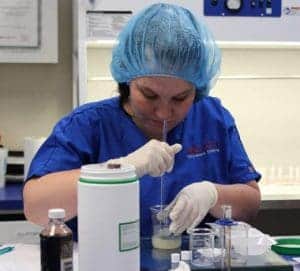
Phlebotomy Technician: responsible for taking blood samples from patients, preparing and operating key equipment, preparing the patient for blood draw, labeling and shipping blood samples for testing, and properly disposing of equipment.
Medical Billing and Coding Specialist: responsible for health insurance claims at hospitals, doctor’s offices, clinics, and other health care offices. They ensure claims are coded and recorded correctly in the patients’ files.
Electronic Health Record Specialist: responsible for keeping patient records up-to-date within the electronic systems used by the healthcare provider.
Clinical Medical Assistant: CCMAs may work in a variety of care settings, ranging from the private practice of a local physician to the most innovative hospitals. Job responsibilities vary from setting to setting but include recording vital signs, preparing patients and rooms for exams, explaining treatment and procedures to patients, and taking medical histories.
Pharmacy Technician: responsibilities include operating equipment used in the preparation of prescription medicines, processing prescription requests from patients and doctors’ offices, establishing and maintaining patient prescription records, receiving payment for prescriptions, processing insurance claims, and packaging and labeling prescriptions.
Where do Allied Health Professionals Work?

Due to the wide variety of career options offered with an allied health certification, allied health professionals work in a myriad of settings, including:
- Doctor Office
- Specialist Office
- Health Care Clinic
- Ophthalmologist Office
- Physical Therapy
- Chiropractor Office
- Hospitals
- Nursing Homes
- Retail Pharmacies
- Pharmaceutical Companies
- Laboratories
- Outpatient Care Centers
- Ambulance Services
- Acupuncturist Office
- Insurance Companies
- Dentist Office
What are the Benefits of Certification?
An allied health certification offers a myriad of benefits to anyone interested in a health care career, including:
Increased Appeal as a Job Candidate: obtaining an allied health certification puts you ahead of others competing for a health care position. It demonstrates to prospective employers that you are hard-working, motivated, and dedicated to your health care career.
Increased Earning Potential: Even for positions that do not require an allied health certification, obtaining a certification can still increase your earning potential, as employers know you are ahead of the curve in terms of training and education.
Improved Career Trajectory: An allied health certification is a terrific way to not only enter a meaningful health care career but also to advance your current career.
Job Security: The Bureau of Labor Statistics projects that healthcare occupations will grow 16% between now and 2030, much higher than the national average for other industries. Healthcare workers are in high demand and those with an allied health certification bring even more value to employers.
Career Flexibility: Due to the wide variety of careers available to allied health professionals, becoming certified opens a myriad of career opportunities nationwide.

What is Required to Get an Allied Health Certificate?
One of the best aspects of obtaining an allied health certificate is all you need is a high school diploma or equivalent. No prior experience in the health care field is required. Certification can be obtained in as little as 28 weeks.
Training before sitting for an allied health exam is highly recommended. With training, you receive the knowledge, information, and tools you need. Plus, you make important connections and gain hands-on experience that is invaluable as you transition to your new health care career.

 Pamela Christianson
 Martin Zandi
 Pamela Christianson
 Pamela Christianson
 Martin Zandi
 Joseph Weber