








Active listening is not just about hearing a person speak, but also about paying attention to their meaning, which can be found in their body language and other nonverbal cues. An active listener is empathetic to a person’s emotions, past experiences, and current circumstances. Often, as we grow older, we are more in tune with other people’s emotions. As you reach your 20’s and 30’s, your active listening skills are much better than when you were a teenager fresh from high school.
Your life experience gives you certain skills that cannot be acquired elsewhere. Young women who find themselves ready to make a career change may not realize how their life experience may translate into jobs skills. Certainly, those who are coming from a job in the service industry will have active listening skills, while mothers who choose to go back to work once their children are in school will have heightened awareness of other people’s needs and wants.
The skills required for your job search are often applicable on the job as well. This is certainly the case with Active Listening, which is a necessary characteristic of a good networker. Whether you have a career in healthcare, retail, IT, or administration (or pretty much any workplace for that matter), being able to listen effectively will help you negotiate, avoid conflict, and care for others.
Once you start consciously paying close attention to the conversations you have, you will be surprised at the variety of situations in which you can use active listening. When talking to your family and friends you may also find yourself getting more out of the interactions than previously.
Paying attention to more than just the words used will also help you to ask the right questions. If a certain topic seems to cause anxiety, which can present itself in the form of fidgeting or quickened breathing, you know there might be further issues that need to be talked about. Here are just a few ways active listening can help your working life.
You never know who will help you along your career path. Obviously, this means being nice to people you meet, but it also means actually listening to what they have to say. People love to talk about themselves; encouraging this is the best way to approach a new contact and expand your network.
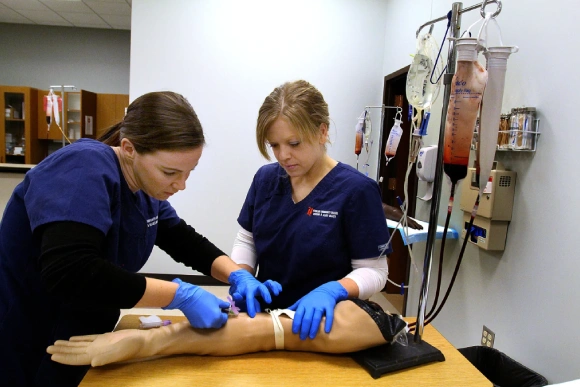
When working in frontline healthcare, ‘care’ is not just a word in the title. Caring is an essential aspect of these roles, in terms of both a patient’s physical and mental well-being. Simply feeling as if they have been listened to can help a patient navigate a difficult situation. It can also result in better health outcomes.
A patient is much more likely to share important information when they feel the person they are speaking to is actively engaged with them and genuinely wants to know more about their health and well-being.
When working in information technology positions, especially in support roles, dealing with clients and other departments can be extremely frustrating. Often, the person you are speaking with will not have the same knowledge of a topic as you do. You will have to listen for keywords that can clue you in to what you can do to solve the issue.
Not only will you need to use active listening skills to really understand what a client needs, but you should also have the skills to explain complex processes in a simple and clear manner while remaining patient and calm. It can be a stressful situation when technology is not working how it is supposed to, so rather than make a situation worse for your client or coworker by getting stressed yourself, you should have the ability to diffuse the situation.
You’ve heard the old adage, “The customer is always right.” While this may not stand up in practice (we’ve all met particularly difficult people in our time), implementing active listening when dealing with complaints can ensure you find a resolution that suits both parties. Most customers just want to be acknowledged. As the salesperson, you need to be listening for what possible solutions are when they are telling you what the issue is while also being engaged with them so they feel heard.
Whether it is giving them a friendly smile and nod when they are waiting for service and you are helping someone else, or by being completely present and respectful when dealing with an issue, the acknowledgment and understanding active listening creates can help ease a potentially tense situation.
Here are ten tips on how to listen well to develop your career networks, and also improve your working relationships with clients, management, and coworkers.
Again, active listening is a skill that we acquire as we grow older, and it is an area where life experience can directly translate to an important and sought-after job skill. The more active listening ability you have, the easier your employer will be able to train you, and the better you will interact with clients, patients, and customers.
Active listening is taught alongside interpersonal, customer service, and communication skills within CCI Training Center’s Business Accounting program. For information on how to further your listening skills or learning more about a career in IT or healthcare fill out the form and we’ll get in touch.
This article is written by
Share this article
This article is written by
Share this article


CCI Training Center Proudly Completes
41 Years in Career Training Services