












Summary


Key Takeaways:
|
Are you looking for a career that offers both stability and high earning potential? The demand for cybersecurity professionals is exploding, and it’s no surprise why. With cyberattacks on the rise, organizations are scrambling to safeguard their digital assets, creating a massive need for skilled experts.
The U.S. Bureau of Labor Statistics predicts a staggering 33% job growth for information security analysts between 2023 and 2033, much faster than the average for all professions.
Cybersecurity offers more than just job security; it provides high earning potential, with top professionals earning well over $150,000 annually. As businesses expand their digital presence, the need for strong security systems and data protection has never been greater.
Ralph Waldo Emerson wisely said, “Do not go where the path may lead, go instead where there is no path and leave a trail.”
At CCI Training Center, we equip you with the cutting-edge skills needed to carve your own trail in the cybersecurity industry, including entry-level cybersecurity jobs that offer high-paying and stable career opportunities. Ready to step into a rewarding career in cybersecurity? Let’s make it
Is Cybersecurity a Good Career Path?
With the escalating frequency of cyberattacks and the rapid digitalization of industries, you might be wondering: Why is cybersecurity such a promising career choice?
Explosive Job Growth:
The demand for cybersecurity professionals is surging. In 2026, there are currently nearly 4.8 million unfilled cybersecurity jobs worldwide, and that number keeps climbing.
Stability and High Demand:
As businesses increasingly rely on digital platforms, the need for cybersecurity expertise remains constant. This field offers long-term job security, with a projected 32% increase in cybersecurity jobs from 2022 to 2032, substantially higher than the average for all occupations.
Lucrative Salaries:
Interested in earning top-tier pay?
Cybersecurity professionals, especially those specializing in areas like cloud security and penetration testing, command competitive salaries with the potential for six-figure incomes, offering both financial and career growth.
Why Cybersecurity Awareness is Critical
Have you considered how rising cyber threats could impact your business?
As cybercrime increases, the need for skilled cybersecurity professionals to protect data has never been more urgent. With industries shifting to cloud services and remote work, the demand for cybersecurity experts continues to soar. Here’s why staying aware is crucial:
| Reason | Impact |
|---|---|
| Rising Cyber Threats | Increasing frequency and sophistication of attacks. |
| Shift to Cloud & Remote Work | New vulnerabilities in digital environments. |
| High Demand for Cybersecurity Experts | Companies seeking skilled professionals to protect data. |
As Bruce Schneier, a renowned cybersecurity expert, once said, “Security is not a product, but a process.” Staying ahead of threats requires ongoing vigilance and expertise.
At CCI Training Center, we provide hands-on cybersecurity training, equipping you with the skills needed to navigate and secure today’s complex digital landscape.
Key Skills to Break Into Cybersecurity
Wondering what it takes to carve out a successful career in cybersecurity?
It’s not just about technical expertise—there’s a combination of both technical and soft skills that will set you apart in this competitive field. Here’s a breakdown:
- Technical Skills:
- Proficiency in firewalls, encryption techniques, and network security protocols is essential.
- Hands-on experience with penetration testing, threat hunting, and incident response.
- Understanding of operating systems, databases, and scripting languages like Python, PowerShell, and Bash is a big plus.
- Familiarity with cloud security and the tools used to protect cloud infrastructure.
- Soft Skills:
- Strong analytical skills to assess vulnerabilities and find solutions.
- Excellent problem-solving abilities to mitigate risks in real-time.
- Effective communication skills to explain complex technical issues to non-technical stakeholders and teams.
Certifications That Make a Difference:
Certifications are essential to validate your expertise and boost your job prospects. At CCI Training, we offer industry-recognized certifications that help you advance your cybersecurity career.
If you’re aiming for entry-level cybersecurity jobs or planning to specialize, our programs equip you with the skills to stand out and unlock higher-paying roles. These certifications make you more attractive to employers and open doors to exciting career opportunities.
- CompTIA Security+: A foundational certification for those entering cybersecurity, covering essential topics like network security, threats, and vulnerabilities.
- Certified Ethical Hacker (CEH): Learn to think like a hacker and protect networks from real-world attacks.
- Certified Information Systems Security Professional (CISSP): A highly respected certification for experienced professionals focusing on designing, implementing, and managing security programs.
- CompTIA Cybersecurity Analyst (CySA+): This certification focuses on detecting and combating cybersecurity threats and is ideal for aspiring security analysts.
These certifications from CCI Training provide the foundational and advanced knowledge needed to succeed in the cybersecurity field, making you more marketable and prepared for top-tier roles, including entry-level cybersecurity jobs remote.
With the right certifications, you can secure remote positions and start your career in this high-demand industry.
Why Continuous Learning is Key:
Cybersecurity is a constantly evolving field, and staying current with emerging threats, tools, and techniques is essential to remaining competitive.
| Focus Area | Action |
|---|---|
| Stay Updated on Security Tools | Learn about the latest tools and technologies to protect systems. |
| Refresh Knowledge on Vulnerabilities | Continuously monitor new vulnerabilities and attack methods. |
| Ongoing Certifications | Pursue certifications like CISSP, CEH, or Security+ to stay qualified. |
| Adapt to Emerging Trends | Focus on areas like cloud security, AI, and machine learning in cybersecurity. |
| Join Industry Learning Opportunities | Participate in webinars, conferences, and online courses. |
By focusing on these areas, you’ll keep your skills sharp and be ready to face the ever-changing cybersecurity landscape.
Top Certifications for Career Growth
Earning top certifications like CompTIA Security+ and CISSP can fast-track your cybersecurity career. Here’s how these certifications can boost your prospects and how CCI Training makes it all possible:
| Certification | Benefits | How CCI Supports You |
|---|---|---|
| CompTIA Security+ | Widely recognized, entry-level certification for cybersecurity basics. | Comprehensive exam preparation with expert-led sessions. |
| CISSP | Advanced certification for experienced professionals focusing on security management. | Real-world labs and practical experience in security policies. |
| Certified Ethical Hacker (CEH) | Validates your skills in ethical hacking and vulnerability assessments. | Hands-on hacking labs to simulate real-world attack scenarios. |
| Certified Cloud Security Professional (CCSP) | Specialization in securing cloud environments, a growing industry focus. | Training on cloud security and cloud-based threat management. |
At CCI Training, our hands-on labs and expert-led programs ensure you not only pass these exams but also gain real-world skills to accelerate your career in cybersecurity. Whether you’re looking to land entry-level cybersecurity jobs with no experience or advance your existing career, we provide the training and support you need to thrive in this high-demand field.
Top Entry-Level Cyber Security Job Roles and Their Annual Salaries in 2026
1. SOC Analyst (Tier 1)
What They Do:
Monitor security alerts using SIEM tools, investigate suspicious activity, escalate real threats, and document incidents.
Key Responsibilities:
- Monitor logs and alerts
- Analyze phishing/malware activity
- Escalate high-risk incidents
- Create incident reports
Skills Needed:
Networking basics, SIEM tools (Splunk), log analysis, threat detection.
Certifications:
CompTIA Security+, CEH (optional), CySA+
SOC Analyst (Tier 1) Average Salary: $85,879
2. IT Support Specialist (Security-Focused)
What They Do:
Provide technical support while managing secure access, password policies, and endpoint protection.
Key Responsibilities:
- Reset credentials securely
- Install security patches
- Manage user permissions
- Basic firewall configuration
Skills Needed:
Windows/Linux basics, networking, and troubleshooting.
Certifications:
CompTIA A+, Network+, Security+
IT Support Specialist Average Salary: $52,978
3. Cybersecurity Technician
What They Do:
Assist in installing and maintaining firewalls, antivirus software, and endpoint protection systems.
Key Responsibilities:
- Configure security software
- Maintain access controls
- Support vulnerability scans
Skills Needed:
System administration, firewall basics, security tools.
Certifications:
Security+, CCNA (Security focus)
Cybersecurity Technician Average Salary: $58,519
4. Junior Security Analyst
What They Do:
Support senior analysts in identifying threats and improving organizational security posture.
Key Responsibilities:
- Review system logs
- Assist in vulnerability assessments
- Monitor intrusion detection systems
Skills Needed:
Risk assessment basics, analytical thinking.
Certifications:
Security+, CEH
Junior Security Analyst Average Salary: $66,774
5. Entry-Level Information Security Analyst
What They Do:
Protect organizational data by implementing security policies and controls.
Key Responsibilities:
- Risk analysis
- Compliance documentation
- Security audits support
Skills Needed:
Data protection laws, policy writing.
Certifications:
Security+, ISO 27001 foundation
Entry-Level Information Security Analyst Average Salary: $97,702
6. Junior Cybersecurity Analyst
What They Do:
Responsible for monitoring, detecting, and responding to security threats within an organization’s IT environment.
Key Responsibilities:
- Monitor security tools like SIEM dashboards for suspicious activity
- Investigate alerts and escalate real threats to senior analysts
- Assist in vulnerability assessments and basic risk analysis
- Document incidents and maintain security reports
- Support compliance and security policy enforcement
Skills Required:
- Basic knowledge of networking (TCP/IP, firewalls, VPNs)
- Understanding of threats like phishing, malware, and ransomware
- Familiarity with tools like Splunk or Microsoft Defender
- Strong analytical and problem-solving skills
Certifications:
CompTIA Security+, CEH (Certified Ethical Hacker), CySA+
Vulnerability Assessment Analyst Average Salary: $66,774
7. Entry-level GRC Analyst
What They Do:
Focus on governance, risk management, and compliance documentation.
Key Responsibilities:
- Policy review
- Risk documentation
- Compliance audits support
Skills Needed:
Regulatory knowledge (GDPR, ISO), documentation skills.
Certifications:
CISA (entry path), ISO 27001
GRC Analyst Average Salary: $81,995
8. Junior Penetration Tester
What They Do:
Assist in ethical hacking engagements under supervision.
Key Responsibilities:
- Conduct controlled security tests
- Document vulnerabilities
- Assist in remediation advice
Skills Needed:
Kali Linux, basic scripting, OWASP Top 10 knowledge.
Certifications:
CEH, eJPT
Junior Penetration Tester Average Salary: $126,245
If you want to explore some of the highest-paying cybersecurity jobs with state and city-wise salary, take a read of this guide.
Challenges You Will Face When Finding Entry-Level Cyber Security Jobs
Breaking into cybersecurity sounds exciting, and even after seeing the salary, the jobs might seem more appealing. But here’s a catch! Landing your first entry level cyber security career can be challenging. Here are the most common obstacles you may face:
1. “Entry-Level” That Requires Experience
One of the biggest frustrations is seeing entry-level roles asking for 1–3 years of experience. Many companies prefer candidates with hands-on experience, internships, lab work, or IT support experience.
2. High Competition
Cybersecurity is one of the fastest-growing fields in technology, which means thousands of candidates apply for the same junior roles. That’s why, before applying, strengthen your fundamentals, build hands-on skills, and understand what employers expect. For practical guidance, go through this guide on how to prepare for an IT interview to improve your chances of success.
3. Lack of Practical Experience
Employers want candidates who can handle real-world scenarios, such as analyzing logs, responding to phishing attempts, and identifying vulnerabilities. Without hands-on labs, projects, or internships, it’s harder to prove your capability.
4. Technical Skill Gaps
Many beginners focus solely on cybersecurity concepts, overlooking foundational IT skills such as networking, operating systems, and troubleshooting, core competencies required for most security roles. Start by mastering the essential IT skills needed to land your first job in tech support and create a solid foundation for a cybersecurity career.
5. Confusing Career Path
Cybersecurity isn’t a single job; it’s a broad field with multiple career paths. Without clarity on which path aligns with your strengths and interests, your job search can become slow and unfocused. That’s why seeking expert career services can be a smart move. Professional guidance offers structured career counseling, skills assessments, and interview preparation that help you target the right role with confidence and strategy.
Benefits of Starting a Career in Cybersecurity Entry-Level Roles
Starting your cybersecurity career at the entry level may not sound glamorous, but it is one of the smartest moves you can make. Here’s why:
1. Strong Foundation in Core Security Skills
Entry-level roles like SOC Analyst or IT Security Technician help you build hands-on skills in monitoring, incident response, risk assessment, and security tools. This foundation is critical for long-term success.
2. High Demand = Strong Job Stability
Cybersecurity remains one of the fastest-growing tech sectors worldwide. Organizations across industries need security professionals, which means consistent demand and strong job security.
3. Competitive Starting Salaries
Even entry-level cybersecurity jobs often pay more than many other beginner tech roles. With experience, certifications, and specialization, your earning potential increases significantly.
4. Opportunities Across Industries
Banks, healthcare providers, government agencies, startups, and tech companies all require cybersecurity professionals. This flexibility allows you to choose industries that match your interests and preferences.
How to Land Your First Cybersecurity Job
What Employers Look For:
Employers seek candidates with a mix of technical skills, certifications, and practical experience. What are entry-level cybersecurity jobs? Positions like Security Analyst, IT Support Technician, and Network Security Administrator offer a solid foundation.
According to Cybercrime Magazine, there were approximately 3.5 million unfilled cybersecurity positions in 2025. By 2026, that number increased by 1.3 million, reaching an estimated 4.8 million open roles worldwide.
Stand Out in a Competitive Market:
To make your mark in cybersecurity, focus on gaining hands-on experience and continuously enhancing your skills:
- Build Your Resume:
- Gain practical experience through internships, freelance work, or volunteer opportunities.
- Participate in cybersecurity challenges and contribute to open-source projects to demonstrate your expertise.
- Enhance Your Skills:
- Earn certifications like CompTIA Security+, CISSP, or CEH to validate your knowledge.
- Stay current with the latest trends and technologies in cybersecurity by enrolling in specialized programs at CCI Training Center for real-world training and support.
Cybersecurity Job Types:
- Information Security Analyst: Protects an organization’s data and information systems from unauthorized access and cyber threats.
- Network Security Engineer: Designs and implements secure network infrastructures to safeguard against attacks.
- Penetration Tester: Simulates cyberattacks to identify and fix vulnerabilities in systems before malicious actors can exploit them.
- Incident Responder: Investigates and manages security breaches to minimize damage and prevent future incidents.
- Cyber Security Consultant: Provides expert advice to organizations on best practices for securing their digital assets and systems.
Master Networking, Applications, and Interviews:
Employers seek candidates who can articulate technical issues clearly to non-technical stakeholders. To stand out, focus on mastering these key areas:
- Networking: Engage in industry events and join professional organizations to connect with potential employers and peers.
- Applications: Customize your resume and cover letter to emphasize your relevant skills, certifications, and experiences.
- Interviews: Prepare for technical interviews by practicing problem-solving, explaining your reasoning, and showcasing your ability to think critically under pressure.
By excelling in these areas, you’ll significantly boost your employability and set yourself up for success in a rewarding cybersecurity jobs entry-level career.
How CCI Prepares You to Get Hired
At CCI Training Center, we don’t just teach cybersecurity concepts—we ensure you’re job-ready with practical experience and career guidance:
- Real-World Labs and Hands-On Training: Our immersive labs provide you with real-world scenarios to sharpen your skills, ensuring you’re prepared for the challenges you’ll face in the field.
- Career Coaching and Placement Support: We offer personalized coaching to help you craft an impactful resume, ace interviews, and connect with potential employers, giving you the best chance to land your first cybersecurity role.
Cybersecurity Interview Tips: What to Expect

Common Interview Questions You’ll Face:
When you’re asked questions like, “What is cybersecurity?” or “Can you walk us through a recent security breach you’ve managed?” your answer should not only demonstrate your understanding of the field but also show how you’ve applied that knowledge in real-world situations. Be ready to showcase your problem-solving abilities and your approach to staying informed about the ever-evolving landscape of security threats.
Other potential questions to prepare for include:
- “How would you handle a situation where you suspect a breach but have limited information?”
- “What steps would you take to secure a network?”
- “How do you stay current with cybersecurity trends and emerging threats?”
- “How would you prioritize security tasks in a high-pressure situation?
These questions are designed to gauge both your technical expertise and your ability to think critically in high-pressure situations. Being able to answer confidently will demonstrate that you’re not just knowledgeable but also proactive and prepared for the challenges of the cybersecurity field.
Key Technical Topics You’ll Need to Know:
To ace your cybersecurity interview, it’s essential to be well-versed in key technical areas. Employers want candidates who can demonstrate expertise across various cybersecurity domains. Here’s a breakdown of the most critical topics:
| Topic | Why It’s Important |
|---|---|
| Network Security | Understanding firewalls, VPNs, and intrusion detection is crucial for protecting organizational networks from external threats. |
| Cryptography | Be able to explain encryption algorithms and how secure communication is maintained across digital platforms. |
| Incident Response | Employers want to see your approach to handling security breaches—how quickly you can identify, mitigate, and resolve issues. |
| Threat Intelligence | Knowledge of how to assess and analyze potential threats to prevent future attacks is key for a proactive security strategy. |
| Cloud Security | As more businesses move to the cloud, understanding cloud-specific security measures is essential to safeguarding data and infrastructure. |
Mastering these topics demonstrates not only your technical knowledge but also your ability to protect and secure critical systems in a rapidly changing cyber landscape.
How to Impress with Problem-Solving and Clear Communication:
- Analyze Complex Problems: Break down issues into manageable components and offer clear, structured solutions.
- Communicate Clearly: Explain technical concepts in simple terms that both technical and non-technical stakeholders can understand.
- Stay Calm Under Pressure: Show how you can remain composed during high-pressure situations, making critical decisions efficiently.
- Provide Actionable Insights: Focus on delivering solutions that are not only effective but also practical and easy to implement.
- Highlight Collaboration: Demonstrate your ability to work with cross-functional teams to resolve security challenges.
Why It’s Worth Your Effort:
According to the U.S. Bureau of Labor Statistics, the median annual wage for information security analysts was $124,910 in May 2024, reflecting the high demand for skilled professionals.
With CCI Training Center, you can gain the hands-on experience and certifications needed to not only pass these interviews but also launch a successful and lucrative career in cybersecurity.
How to Prepare for Cybersecurity Interviews
Ready to Tackle Both Technical and Behavioral Questions?
In cybersecurity interviews, you’ll face technical challenges and behavioral questions. How can you stand out? Focus on giving clear, structured answers for technical queries while showcasing your problem-solving abilities. For behavioral questions, demonstrate how you manage pressure, resolve conflicts, and collaborate with teams effectively.
CCI’s Role in Your Preparation:
How does CCI Training ensure you’re ready? Through mock interviews, interview coaching, and hands-on labs, we provide real-world scenarios to fine-tune your skills. With our expert guidance and real-world problem-solving practice, you’ll walk into your interview not just prepared, but confident.
The 5 Cs of Cybersecurity
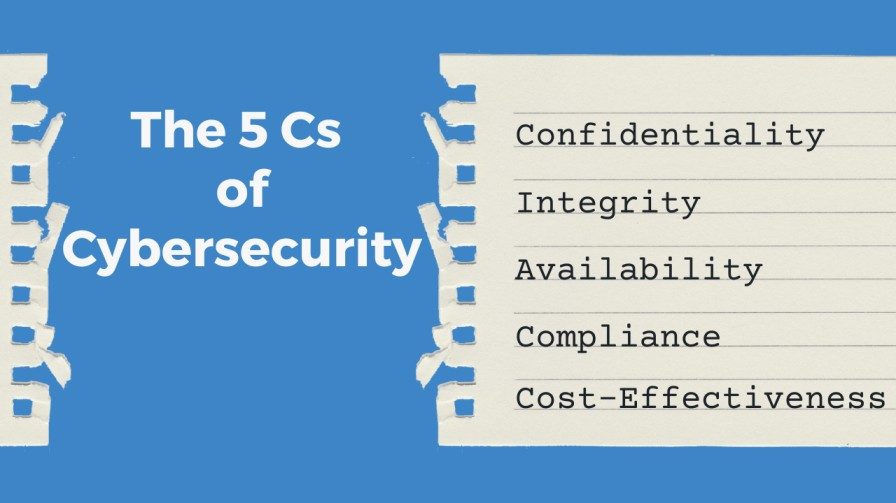
As cyber threats grow more sophisticated, mastering the 5 Cs is crucial for building strong security frameworks that protect data, keep systems operational, and meet compliance standards.
| Core Principle | Description | Key Focus Areas |
|---|---|---|
| Confidentiality | Protecting sensitive data from unauthorized access. | Implementing encryption, multi-factor authentication, and strict access controls. |
| Integrity | Ensuring data remains accurate and unaltered by unauthorized parties. | Employing data validation, hashing techniques, and audit trails to prevent tampering. |
| Availability | Ensuring systems and data are accessible when needed. | Designing fault-tolerant systems, backup protocols, and continuous monitoring. |
| Compliance | Adhering to industry regulations and standards. | Keeping up-to-date with laws like GDPR, HIPAA, and PCI-DSS, and implementing required measures. |
| Cost-Effectiveness | Balancing security needs with budget constraints. | Optimizing security tools, leveraging open-source solutions, and efficiently managing resources. |
By mastering these 5 Cs, you not only build a strong security foundation but also position yourself as a well-rounded cybersecurity expert.
At CCI Training Center, we help you gain the hands-on experience and certifications needed to apply these core principles effectively, ensuring you’re ready for the challenges of the cybersecurity industry.
Is Cybersecurity High Paying?
With the rise in cyberattacks and growing digital reliance, cybersecurity professionals are more crucial than ever. Businesses are offering competitive salaries to secure top talent.
As former FBI Director Robert Mueller said, “There are only two types of companies: those that have been hacked, and those that will be.” This drives the demand for skilled professionals.
Why Cybersecurity Roles Are Among the Highest-Paid in Tech:
Cybersecurity professionals are well-compensated due to the critical demand for their skills. Here’s why:
- Cybersecurity professionals are in high demand, with salaries reflecting the critical need for their expertise.
- Information security analysts earn a median annual wage of $120,360, according to the U.S. Bureau of Labor Statistics.
- The field offers lucrative opportunities, with top professionals making significantly more as they gain experience.
The Power of Specialization:
Specializing in niche areas within cybersecurity can dramatically boost your earning potential. Consider these points:
- Specializing in areas like cloud security, ethical hacking, or penetration testing can increase earning potential.
- Entry-level cybersecurity jobs typically start with competitive salaries and quickly grow as you gain experience. For example, entry-level positions such as security analysts can earn around $60,000 to $80,000 annually.
- Professionals in niche roles can command six-figure salaries, with significant job stability.
- Advanced certifications and expertise in specialized areas further elevate salary prospects, giving you an edge in the competitive cybersecurity job market.
Why Cyber Security Jobs Pay So Well
The growing need for cybersecurity professionals has made this field one of the most lucrative in tech. Here’s why cybersecurity jobs are so well-compensated:
- High Demand for Talent: The shortage of skilled cybersecurity professionals leads to higher wages as employers compete for top talent.
- Increased Risk of Cyber Attacks: As cyberattacks become more frequent and sophisticated, companies are investing heavily in cybersecurity to protect their data.
- Critical Role in Business: Cybersecurity professionals are vital in protecting sensitive information, ensuring business continuity, and maintaining regulatory compliance, justifying higher salaries.
Why Every Industry Needs Cybersecurity Professionals Now More Than Ever
As cyber threats become more prevalent, every industry is recognizing the urgent need for cybersecurity professionals to protect sensitive data and ensure operational continuity. Here’s why cybersecurity is critical across various sectors:
| Industry | Need for Cybersecurity Professionals |
|---|---|
| Healthcare | Protecting patient data from breaches and ensuring compliance with HIPAA. |
| Finance | Securing sensitive financial data and preventing fraud. |
| Government | Safeguarding national security data and critical infrastructure. |
| Retail | Protecting customer information and ensuring safe online transactions. |
| Energy | Defending critical infrastructure from cyberattacks that could disrupt services. |
| Education | Securing student and faculty data, especially with the rise of online learning. |
With the increasing reliance on digital platforms, cybersecurity professionals are indispensable in every industry, driving up both demand and salaries.
CCI: Your Gateway to a Rewarding Cybersecurity Career
At CCI Training Center, we provide the tools, knowledge, and support you need to break into the booming cybersecurity industry.
- Cutting-Edge Training Programs Designed to Land You a Job: Our programs are tailored to teach you the skills that employers are actively seeking, from basic security principles to advanced techniques in ethical hacking and cloud security.
- Hands-On Labs, Real-World Projects, and Job Placement Support: Gain practical experience with our immersive labs and real-world projects that simulate actual cybersecurity challenges. Our job placement support ensures you’re prepared for interviews and connects you with top employers.
- Leverage Our Industry Connections to Boost Your Career Prospects: With our strong ties to leading cybersecurity companies, we help open doors to exciting job opportunities, giving you a competitive edge in a high-demand field.
Why CCI is the Best Choice
At CCI Training Center, we are committed to providing a learning experience that equips you with the skills and connections needed for a successful cybersecurity career. Here’s why we stand out:
| Feature | Benefit |
|---|---|
| Industry-Focused Curriculum | Learn the latest techniques and tools used by top cybersecurity professionals. |
| Expert Instructors | Gain insights from industry veterans who bring real-world experience to the classroom. |
| Flexible Learning Options | Choose from online, in-person, or hybrid courses that fit your schedule and learning style. |
| Hands-On Experience | Engage in labs, projects, and simulations to build practical skills in real-world scenarios. |
| Career Support and Networking | Access job placement assistance and connect with top employers in cybersecurity. |
Join CCI Training Center and become part of a community that prepares you for the rapidly evolving cybersecurity landscape while providing you with the tools, knowledge, and connections for success.
Conclusion
Cybersecurity isn’t just a job, it’s a future-proof, high-paying career. At CCI Training Center, we offer the tools, skills, and support to help you break into one of the fastest-growing fields in tech. Our focused training programs, hands-on labs, and career support ensure you’re prepared for success.
Ready to secure your future? Start your cybersecurity journey today with CCI Training Center and unlock exciting career opportunities!

 Joseph Weber
 Joseph Weber
 Martin Zandi
 Joseph Weber
 Pamela Christianson
 Martin Zandi