














CNA vs Medical Assistant: Key Differences, Salaries, and Career Paths Explained

Choosing between a Medical Assistant (MA) and a Certified Nursing Assistant (CNA) can be a difficult decision, as both are excellent entry points into the healthcare industry. Both professions are vital to the smooth operation of healthcare facilities, yet they encompass distinct responsibilities, training requirements, and work environments.
Therefore, it becomes crucial to understand the difference between a CNA and a Medical Assistant, as it’ll help you choose the path that aligns with your lifestyle and financial goals. This is also a reason why many individuals seeking healthcare careers that don’t require a degree evaluate both options before enrolling in a program.
This guide breaks down the core duties, salaries, physical demands, and training options so you can make an informed decision for your future.
Key Takeaways
|
What Is the Difference Between a CNA and a Medical Assistant?
- A CNA focuses heavily on hands-on personal support, assisting patients with daily living activities.
- A Medical Assistant combines direct patient clinical care with administrative operations.
Choosing between a CNA vs CMA comes down to whether you prefer inpatient personal support or an active, dual-role clinical and office schedule. Both positions serve as excellent entry points into the medical field.
Certified Nursing Assistant (CNA) Overview and Daily Duties
A Certified Nursing Assistant works under the supervision of Registered Nurses (RNs) or Licensed Vocational Nurses (LVNs). Their workload centers on foundational, non-invasive physical care for elderly, chronically ill, or recovering patients.
Typical daily duties for a CNA include:
- Bathing, dressing, grooming, and feeding patients
- Repositioning bedridden patients to prevent bedsores
- Measuring vital signs such as blood pressure, temperature, and pulse
- Assisting patients with mobility, walking, and wheelchair transfers
- Reporting changes in patient physical condition to the nursing team
Because CNAs spend extensive time at the bedside, they build close relationships with long-term residents. Their work requires immense empathy, physical endurance, and dedication.
Certified Medical Assistant (CMA) Overview and Dual Responsibilities
A Medical Assistant works directly under physicians, physician assistants, or nurse practitioners, mainly in outpatient healthcare clinics. Their dual role bridges the gap between patient care and clinic administration.
Core clinical and administrative duties for a Medical Assistant include:
- Escorting patients to exam rooms and recording medical histories
- Measuring vital signs and preparing patients for physician examinations
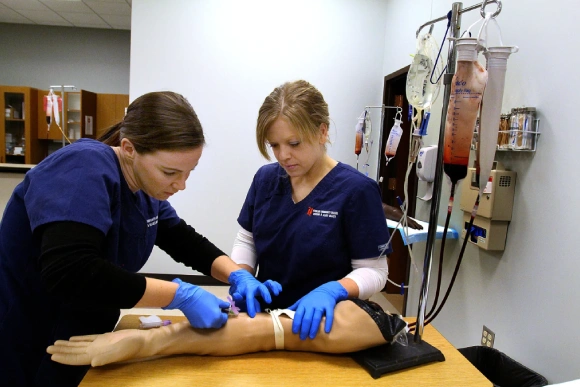
- Performing phlebotomy, drawing blood, and collecting lab specimens
- Administering injections, vaccinations, and medications as directed
- Sterilizing medical equipment and assisting with minor surgical procedures
- Scheduling appointments, managing medical records, and processing billing documentation
This balance between hands-on clinical procedures and administrative workflow keeps daily tasks diverse and engaging.
| Learn more about a medical assistant’s daily duties. |
Is a Medical Assistant Higher Than a CNA?
Yes, a Medical Assistant is generally considered a higher-level role than a Certified Nursing Assistant in terms of clinical scope, administrative authority, compensation, and required training. Medical Assistants receive broader clinical instruction that includes administering medications, performing diagnostic tests like ECGs, and drawing blood.
They also handle complex administrative workflows, medical documentation, and insurance coding. Because their scope of practice is broader, Medical Assistants earn higher average salaries and enjoy greater career advancement opportunities into administrative management or specialized clinical care.
CNA vs Medical Assistant Scope of Practice: Clinical and Administrative Comparison
Direct Inpatient Personal Care vs Outpatient Dual-Role Practice
- CNAs operate within long-term care facilities, nursing homes, assisted living communities, and hospital wards. Their care is continuous and intimate, focusing on hygiene, comfort, and physical mobility.
- Medical Assistants operate in fast-paced ambulatory care settings like private physician practices, urgent care centers, and specialty clinics. They handle patient intake, perform diagnostic testing, assist with treatments, and ensure the clinic runs efficiently throughout the day.
Shift Schedules
CNAs often work:
- 12-hour day or night shifts
- Rotating weekend schedules
- Mandatory holiday shifts
- Evening or overnight rotations
Medical Assistants typically work:
- Standard 8-hour workdays (such as 8:00 AM to 5:00 PM)
- Monday through Friday work schedules
- Weekends off
- Paid major holidays
For adults managing family commitments or returning to school, predictable daytime hours of the MA role offer exceptional stability.
Can a CNA Perform Medical Assistant Duties?
A CNA cannot perform the full scope of Medical Assistant duties without receiving additional formal training and credentials. While CNAs can take basic vital signs, they are generally not certified to perform phlebotomy, administer complex injections, run electrocardiograms (ECGs), or handle medical billing and clinical documentation software.
Attempting to perform clinical tasks outside a CNA credential scope violates medical practice regulations. A CNA wishing to perform clinical and administrative tasks must enroll in a formal training program to gain those clinical skills.
CNA vs Medical Assistant Salary and Job Growth Comparison
Evaluating the financial rewards and job security of any career path is essential before making an educational investment. Overall, Medical Assistants earn higher median wages and experience significantly stronger national growth rates.
Data from the U.S. Bureau of Labor Statistics demonstrates distinct differences in Certified Nursing Assistant vs Medical Assistant salary data and long-term demand.
| Comparison Metric | Certified Nursing Assistant (CNA) | Certified Medical Assistant (CMA) |
| Median Annual Wage | $39,430 – $39,530 | $44,200 |
| Median Hourly Wage | $18.96 – $19.00 | $21.25 |
| Top 10% Earning Potential | Over $50,000 | Over $58,000+ |
| BLS Projected Job Growth | 2% to 4% (Average) | 12% to 15% (Much Faster Than Average) |
| Primary Work Settings | Nursing homes, hospitals, assisted living | Outpatient clinics, physician offices, urgent care |
| Standard Work Schedule | 12-hour shifts, nights, weekends, holidays | Monday – Friday, daytime hours |
| Average Training Time | 4 to 12 weeks | 6 to 12 months |
Source: The Bureau of Labor Statistics (BLS)
NOTE: You can boost your earning potential as a MA by exploring top-paying medical assistant specialties.
Is a Medical Assistant Career is Better Than a CNA Career?
Determining whether a Medical Assistant career is better than a CNA career depends on your individual preferences, physical capability, and long-term professional aspirations.
Many individuals evaluate these factors alongside other low-stress medical jobs when seeking a balanced healthcare routine.
Physical Demands, Burnout Factors, and Work-Life Balance
Physical strain is one of the biggest reasons CNAs choose to transition into medical assisting. CNA work involves constant heavy lifting, repositioning adult patients, standing for entire 12-hour shifts, and performing continuous physical exertion. Over time, this physical intensity can lead to back strain, physical fatigue, and occupational burnout.
Medical Assistant duties are far less physically taxing. While you remain active throughout the clinic floor during patient intake, you do not perform heavy patient lifting or continuous bedside care. The balance between clinical tasks and computer-based administrative work reduces physical strain and helps sustain long-term career satisfaction.
Career Advancement Pathways and Specialty Fields
Medical Assistant training provides a strong foundation for multiple career advancement pathways across healthcare administration and clinical management.
As an experienced Medical Assistant, you can transition into roles such as:
- Clinical Office Manager
- Lead Medical Assistant
- Healthcare Administrative Supervisor
- Electronic Health Records (EHR) Specialist
- Specialty Clinic Coordinator
Additionally, the clinical skills gained in medical assisting serve as an ideal springboard if you decide later to pursue nursing, physician assistant studies, or health information management.
| Interested in becoming a medical assistant? Explore our Online Medical Assistant Training Program. |
How do you decide which path is best for you?
Choosing between a CNA and a Medical Assistant role depends on your personal and professional goals:
- If you want a hands-on patient care role and a quick entry into healthcare, consider becoming a CNA. This role is ideal for those who find fulfillment in providing daily support to patients, especially in long-term care environments.
- If you’re looking for a versatile role with opportunities to work both with patients and in an administrative capacity, becoming a Medical Assistant may be more suitable. MAs benefit from a broader skill set, higher earning potential, and greater flexibility to move into specialized or administrative roles.
Final Words
Both CNAs and Medical Assistants play crucial roles in supporting patients and healthcare providers, each with a unique focus. CNAs focus on hands-on patient care, which is rewarding but can be physically demanding. In contrast, MAs balance patient care with administrative duties, providing more versatility and opportunities for career growth. Consider your strengths, interests, and career aspirations when choosing between these rewarding paths.
Program Offered
- Pharmacy Technician Training
- Online Medical Assistant
- Medical Billing and Coding Specialist Program
- Cloud Computing Technician Training
- Computer Network Technician
- Business and Accounting
- Radiology Technician Training
- Medical Assistant Program
- Computer Support Technician
- Cybersecurity Program
- Virtual Assistant Training

This article is written by
Share this article
Program Offered
- Pharmacy Technician Training
- Online Medical Assistant
- Medical Billing and Coding Specialist Program
- Cloud Computing Technician Training
- Computer Network Technician
- Business and Accounting
- Radiology Technician Training
- Medical Assistant Program
- Computer Support Technician
- Cybersecurity Program
- Virtual Assistant Training
This article is written by
Share this article
Frequently Asked Questions
What is the main difference in CNA vs CMA duties?
A CNA focuses primarily on basic physical care, bathing, mobility assistance, and hygiene for inpatient populations in nursing facilities and hospitals. A CMA performs both clinical procedures—such as drawing blood, taking vitals, and administering injections—and administrative tasks like scheduling appointments and managing patient records in outpatient clinics.
Do hospitals prefer CNAs or Medical Assistants?
Hospitals typically prefer CNAs for inpatient roles due to their extensive hands-on patient care training.
However, outpatient hospital departments, clinics, and specialist offices often prefer Medical Assistants for their broader skill set.
What are the typical work environments for CNAs vs Medical Assistants?
Medical Assistants commonly work regular business hours in outpatient settings such as:
- Physician offices
- Clinics
- Specialty practices
CNAs often work nights and weekends in:
- Hospitals
- Nursing homes
- Long-term care facilities
Which career has lower stress and better work-life balance?
Medical Assistant roles generally offer better work-life balance, less physical strain, and more predictable work hours. CNA positions involve more physically demanding tasks and emotionally intensive patient care.
Can a CNA transition into a Medical Assistant role?
Absolutely! CNAs frequently advance their careers by pursuing Medical Assistant training programs, which typically take about 9-12 months, enhancing their clinical and administrative skills. Additionally, the skills and experience gained as a CNA can be significantly beneficial in transitioning into a certified medical assistant.
Related Articles

 Pamela Christianson
 Pamela Christianson
 Pamela Christianson
 Pamela Christianson
 Pamela Christianson

CCI Training Center Proudly Completes
41 Years in Career Training Services