










Summary


If you have searched online for how to become a medical assistant in 2026, chances are you have already come across dozens of blogs that either overcomplicate the process or omit important details. Every year, thousands of aspiring healthcare professionals spend hours researching medical assistant programs, certifications, salaries, and job requirements, only to end up with conflicting advice.
If you find yourself in the same situation, you are in the right place. This guide will walk you through the complete process of becoming a medical assistant in 2026. By the time you finish reading, you will have a clear roadmap instead of dozens of browser tabs filled with confusing advice.
| Quick Summary : Becoming a medical assistant in 2026 is a straightforward process that typically begins with earning a high school diploma or GED, followed by completing a medical assistant training program. This guide explains the different program options. It also covers the importance of completing a clinical externship, earning a Certificate of Completion, and preparing for nationally recognized certifications such as the CCMA or CMA. |
What is a Medical Assistant?
A medical assistant is a multi-skilled healthcare professional who supports physicians and clinical staff in both administrative and patient-facing roles. Unlike nurses or physician assistants, medical assistants don’t require a four-year degree, making the role one of the most accessible entry points into the healthcare field.
Core Requirements Needed to Become a MA in 2026
- Education: A high school diploma (or equivalent) is required as the baseline for entry.
- Formal Training: You must complete a post-secondary medical assistant program, which usually takes 7 to 2 years through vocational schools, community colleges, or technical institutes.
- Certification: While not legally required in all regions, nationally recognized certifications such as Certified Clinical Medical Assistant (CCMA) offered by the NHA and the Certified Medical Assistant (CMA) credential, awarded by the American Association of Medical Assistants (AAMA), are highly preferred by employers and lead to better pay and job security.
- Soft Skills: MAs must be excellent at talking to people. They work with patients, doctors, and staff every day. They should be organized. Paying close attention to details is essential for office and medical tasks. Learn more about essential soft skills required to become a exceptional MA.
- Technical Skills: As an MA, you are also expected to be familiar with basic clinical instruments, billing and emailing software, medical software, and different operating systems.
- Physical Stamina: MAs might need to stand a lot and lift heavy things. Good physical stamina is essential to handle the physical demands of the job.
What Does A Medical Assistant Do?
a) Clinical duties
- Taking and recording vital signs, such as blood pressure and temperature.
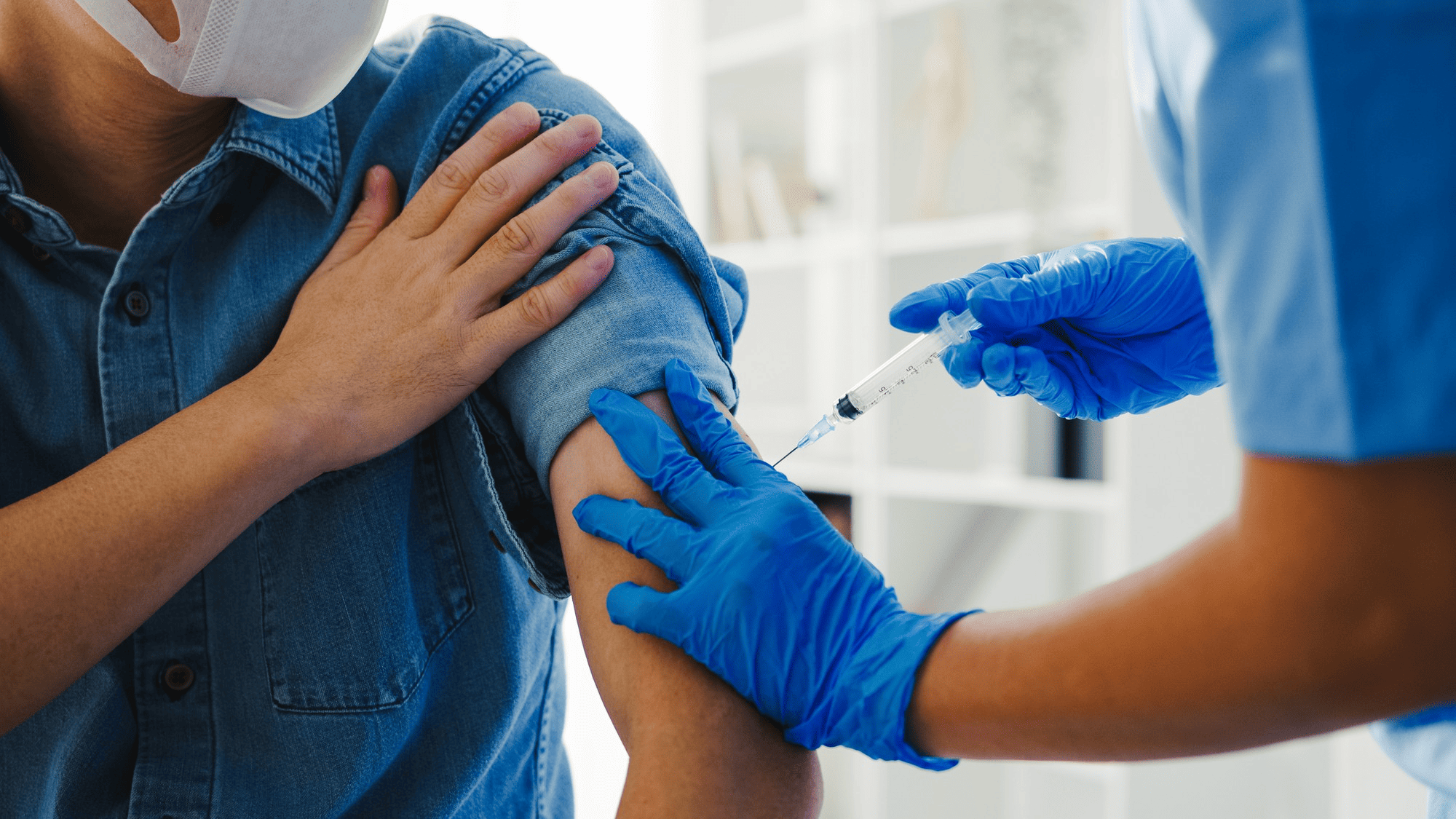
- Assisting physicians during examinations and minor procedures.
- Administering medications as directed by the physician and permitted by state law.
- Preparing and collecting laboratory specimens (e.g., blood, urine).
- Sterilizing instruments and maintaining clean examination rooms.
- Explaining treatment procedures and instructions to patients.
READ MORE: For a more in-depth look at these clinical responsibilities, read our guide: “What Does a Clinical Medical Assistant Do? A Full Career Overview.”
b) Administrative duties
- Scheduling appointments and managing patient calendars.
- Maintaining accurate patient records, both paper and electronic.
- Handling medical billing and insurance claims.
- Answering phones and directing patient inquiries.
- Managing office supplies and equipment.
READ MORE: To gain a deeper understanding of these administrative duties, read our complete guide, “Medical Administrative Assistant: What They Do in a Day.”
| NOTE: These are two distinct MA roles (some employers may ask you to perform both duties). To learn more, check this guide on Clinical vs Administrative Medical Assistants. |
Step-by-Step Guide on How to Become a Medical Assistant in 2026
Medical assisting isn’t just an accessible healthcare career. It’s also one of the fastest-growing. So why wait? Learn how to become a medical assistant in 2026 through this step-by-step guide.
Step 1: Earn Your High School Diploma or GED
Every path into medical assisting starts here. A high school diploma or GED is the baseline requirement for enrolling in any quality medical assistant training program. If you already have this, you are ready to move to the next step.
Step 2: Enroll in a Medical Assistant Training Program
There isn’t just one path into medical assisting. There are several different training programs available for aspiring medical assistants. Here are some of the most common options:
- Medical Assistant Certificate Programs: Certificate programs typically take 7 to 9 months to complete. These programs allow students to complete coursework online and typically include clinical training at approved local healthcare facilities.
. - Associate MA Degree Programs: Associate degree programs in medical assisting usually take 18 to 24 months to complete. These programs offer a more comprehensive education and may include additional coursework in medical ethics, pharmacology, and medical coding. Community colleges and technical schools typically offer associate degree programs.
- Diploma Medical Assistant Program: A middle-ground option that typically takes 12 to 18 months and focuses on both core clinical and administrative skills. These programs focus on providing students with the essential knowledge and skills needed to become medical assistants. Vocational schools and community colleges often offer certificate programs
| Program Type | Duration |
| Certificate MA Program | 7 to 9 Months |
| Associate Medical Assistant Degree | 18–24 months |
| Diploma Medical Assistant Program | 12 to 18 Months |
We know choosing the right medical assistant training program can be challenging with so many options available. Read this guide to see how long an online medical assistant program takes, compare different educational pathways, and learn why enrolling in the Medical Assistant Program at CCI Training Center is a career-focused option for students who want to enter the healthcare field as quickly as possible. Contact our admissions office to inquire about available financial aid or scholarship opportunities.
| NOTE: Some students thrive with the flexibility of studying from home, while others prefer in-person instruction and hands-on labs. If you are weighing that decision, read our guide, “Online vs. In-Person Medical Assistant Programs: Which Is Better?“ |

Step 3: Complete Your Clinical Externship
Once you enroll in your online medical assistant program, the last part of the curriculum usually covers completing your clinical externship. Most reliable medical assistant programs arrange an externship at a local healthcare facility, typically within 30 miles of your ZIP code, so you can gain real-world clinical experience.
Don’t think of the externship as an optional or skippable part of your education. It is one of the most important components of your training. During your externship, you will build confidence performing clinical and administrative tasks, learn how to interact with patients, become familiar with workplace procedures, and develop the professional skills employers expect. Many students also use their externship to build professional connections, earn strong references, and even receive job offers from the healthcare facility where they trained.
Step 4: Receive a Certificate of Completion
Once you have completed your online coursework and externship requirements, you will receive a Certificate of Completion from your medical assistant program. This certificate confirms that you have successfully finished the required training and are ready to take the next step toward your healthcare career.
Step 5: Complete Additional Certification
While certification isn’t legally required in every state, many employers prefer or require candidates with nationally recognized certification because it demonstrates verified clinical knowledge, professional competence, and job readiness. So, prepare for a nationally recognized medical assistant certification exam, including:
- CCMA (Certified Clinical Medical Assistant) offered by the National Healthcareer Association
- CMA (Certified Medical Assistant) issued by the American Association of Medical Assistants
- NCMA (National Certified Medical Assistant) offered by the National Center for Competency Testing
To learn more about these credentials, read our guide, “Medical Assistant Certifications: CMA, RMA, CCMA, and Beyond.” Remember, a high-quality medical assistant training program will also prepare you for one or more of these nationally recognized certification exams as part of its curriculum, helping you graduate ready to pursue certification and enter the workforce with confidence.
Step 6: Apply for Jobs
Once you have completed your training and obtained any necessary certifications, it’s time to start your job search. Look for entry-level medical assistant role openings in hospitals, clinics, physicians’ offices, and other healthcare facilities. Many medical programs also offer career support services to help you land your first role faster.
| PRO TIP: Build a resume that helps you stand out to employers and highlights your education, clinical skills, certifications, and externship experience. For practical tips, read our guides “How to Build a Strong Resume as a Medical Assistant Student” and “14 Common Resume Mistakes and How to Fix Them.” These resources will help you create a professional resume that increases your chances of landing interviews and securing your first medical assistant job. |
What is the Salary for Medical Assistants in 2026?
The job outlook for MAs is promising. According to the US Bureau of Labor Statistics, employment of MAs is projected to grow 12 percent from 2024 to 2034, much faster than the average for all occupations. This demand is being driven by an aging population requiring more preventive and chronic care, the continued expansion of outpatient clinics and urgent care centers, and the broader push to increase patient access to primary care.
How Much Do Medical Assistants Earn in 2026?
Salary is one of the most common questions from career changers exploring this path. Here is a breakdown of what you can expect based on experience level, according to current industry data from Salary.com.
| Experience Level | Average Annual Salary |
| Entry-Level (Less than 1 year) | $45,547 |
| Early Career (1–2 years) | $46,020 |
| Mid-Level (2–4 years) | $46,972 |
| Senior-Level (5–8 years) | $47,162 |
| Expert (Over 8 years) | $47,289 |
If you want a detailed breakdown of wages, check how much a MA earns.
Conclusion
Becoming a medical assistant in 2026 doesn’t have to feel overwhelming. With a high school diploma or GED, the right medical assistant training program, and certification, you can be job-ready in less than a year. The right training today can open the door to a stable, meaningful, and rewarding career tomorrow. If you are planning to enroll in CCI Training Center’s MA program, then feel free to reach out to our Admissions cell.
Good luck!
 Pamela Christianson
 Pamela Christianson
 Pamela Christianson
 Pamela Christianson
 Pamela Christianson
 Pamela Christianson